

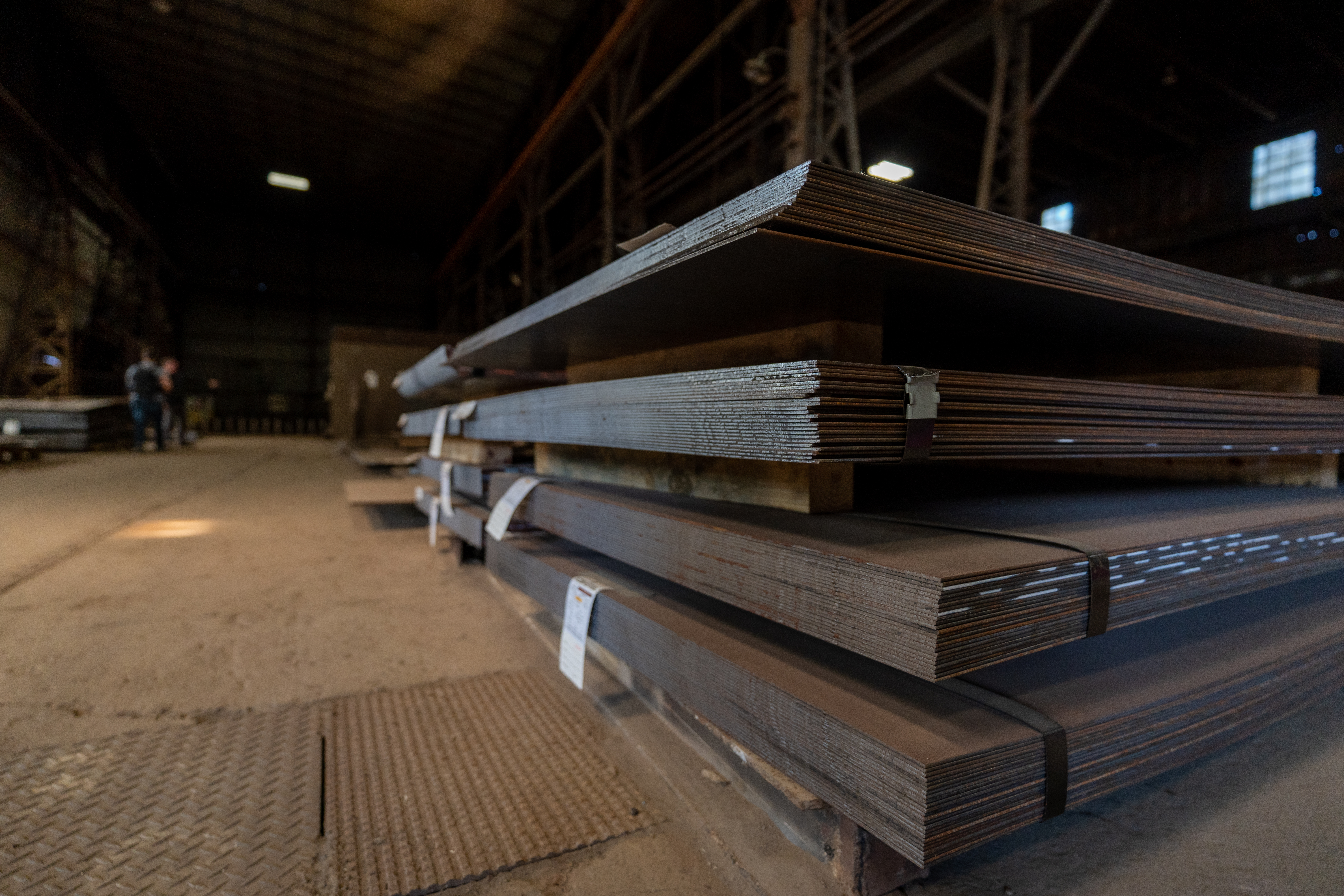
The Versatility of Steel Sheets
Steel sheet is one of the most versatile products used throughout modern manufacturing, construction, transportation, and industrial applications. Available in a wide range of grades, thicknesses, finishes, and sizes, steel sheets can be selected to meet the specific performance requirements of a project. Their combination of strength, durability, formability, and cost-effectiveness makes steel sheet a dependable material for applications ranging from structural components to precision-manufactured parts.
One of the key advantages of steel sheet is the variety of options available. Carbon steel sheet, for example, is widely used for general fabrication, construction, machinery, and industrial equipment. Depending on the application, steel sheet can be supplied in hot rolled or cold rolled forms. Hot rolled steel is commonly selected when strength and durability are priorities, while cold rolled steel provides a smoother surface finish and tighter dimensional tolerances. Galvanized and other coated steel sheets can also provide enhanced resistance to corrosion, making them well suited for applications exposed to moisture and demanding environments.
Steel Sheet Applications
The versatility of steel sheet can be seen across numerous industries. In construction, steel sheet is used for building components, roofing and siding systems, structural fabrication, and equipment. In manufacturing, it can be formed, cut, punched, bent, welded, and fabricated into components for machinery, enclosures, cabinets, and industrial products. The automotive and transportation industries also rely heavily on steel sheet for body panels, structural components, brackets, and other parts where a balance of strength and formability is important.
Steel sheet can also be processed to meet the requirements of a particular project. Common processing methods include shearing, laser cutting, plasma cutting, forming, bending, and other fabrication operations. This adaptability allows manufacturers and fabricators to transform flat steel sheet into components with complex shapes and precise dimensions. Selecting the appropriate steel grade and thickness is important for achieving the required combination of strength, durability, weldability, and formability.
Steel sheets, a fundamental component of the construction and manufacturing sectors, have proven to be indispensable due to their remarkable strength, durability, and versatility. From towering skyscrapers to intricate machinery, steel sheets play a crucial role in a myriad of applications across various industries. Explore the diverse uses of steel sheets, their importance in construction, automotive manufacturing, aerospace, home appliances, and renewable energy.
Applications:
In the realm of construction, steel sheets are the backbone of structural integrity. Used in the fabrication of beams, columns, and roofing, these sheets provide exceptional strength and stability. The malleability of steel allows for customization, enabling architects and engineers to design structures that can withstand the forces of nature and the test of time. Additionally, steel sheets are essential in the creation of durable and weather-resistant cladding, contributing to the aesthetic appeal of modern buildings.
Automotive manufacturing relies heavily on steel sheets for the production of vehicle components. From body panels to chassis frames, steel sheets offer the ideal combination of strength and weight, contributing to the safety and fuel efficiency of automobiles. Furthermore, advancements in steel manufacturing techniques have led to the development of high-strength steel sheets, enabling the construction of lighter yet robust vehicle structures.
In the aerospace industry, where precision and reliability are paramount, steel sheets find applications in the manufacturing of aircraft components. These sheets are used in the construction of wings, fuselages, and other critical parts, ensuring the structural integrity and safety of aircraft. The high strength-to-weight ratio of steel makes it an ideal material for aerospace applications, allowing for the creation of lightweight yet robust components that can withstand the demanding conditions of flight.
Steel sheets also play a vital role in the production of home appliances, contributing to the durability and performance of items such as refrigerators, washing machines, and ovens. The corrosion-resistant properties of stainless steel sheets make them particularly suitable for kitchen appliances, where exposure to moisture and various substances is common. Additionally, the sleek and modern appearance of stainless steel adds an aesthetic appeal to household items.
In the realm of renewable energy, steel sheets are utilized in the manufacturing of wind turbine components and solar panels. The robust nature of steel ensures the structural integrity of wind turbine towers, while the reflective properties of certain steel coatings enhance the efficiency of solar panels. As the world embraces sustainable energy solutions, the demand for steel sheets in renewable energy applications continues to grow.
Choosing the Right Steel Sheet
When selecting steel sheet, several factors should be considered, including the intended application, required thickness, steel grade, surface finish, corrosion resistance, and fabrication requirements. A knowledgeable steel supplier can help customers determine which material best fits their specifications and performance needs. Proper material selection can improve manufacturing efficiency while helping ensure the finished product performs as intended.
From construction and heavy equipment to manufacturing and transportation, steel sheet continues to be an essential material because of its adaptability and dependable performance. With numerous grades, sizes, finishes, and processing options available, steel sheets provide manufacturers and fabricators with a practical solution for a wide variety of applications.
The uses of steel sheets span a wide range of industries, making them an integral part of modern life. From the construction of towering structures to the manufacturing of vehicles, aircraft, home appliances, and renewable energy solutions, steel sheets exemplify versatility and resilience. As technology and manufacturing processes evolve, steel sheets are likely to remain a cornerstone material, contributing to advancements in various sectors and shaping the future of engineering and construction.