

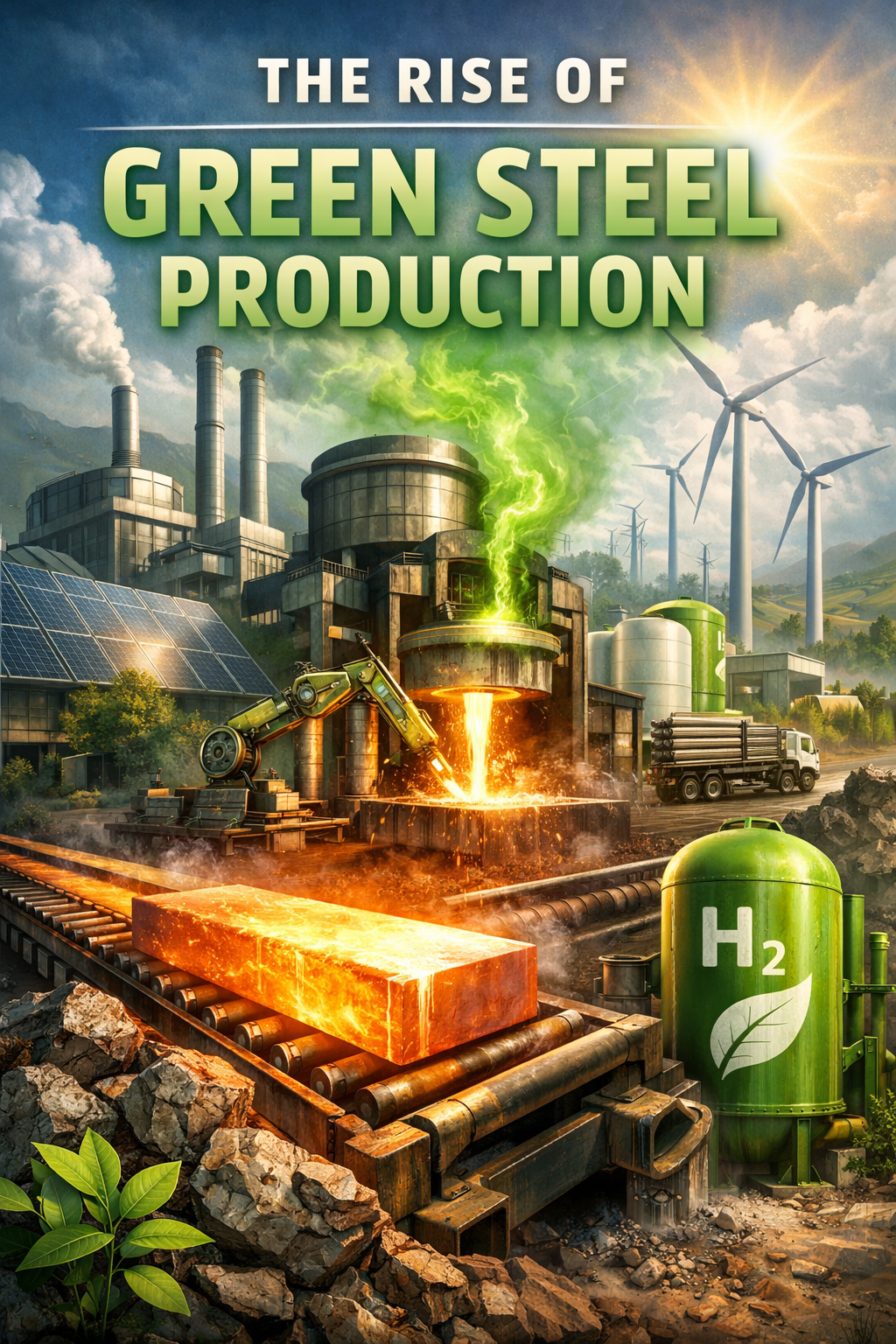
The Rise of Green Steel: Building a Low-Carbon Future for the Industry
The steel industry is entering a transformative era. As global demand continues to grow, so does the responsibility to produce steel more efficiently, sustainably, and with a reduced carbon footprint. "Green steel production" has become a defining movement—shaping how steel is made, traded, and sourced around the world.
What Is Green Steel Production?
Green steel refers to steel produced using technologies and processes that significantly reduce or eliminate carbon emissions compared to traditional blast furnace methods. Instead of relying heavily on coal and coke, green steel producers are shifting toward cleaner alternatives like hydrogen-based direct reduced iron (DRI), electric arc furnaces (EAF), and increased scrap recycling.
These technologies offer a pathway to what's often called low-carbon steel—a product with the same quality and strength but a smaller environmental impact.
Why Low-Carbon Steel Matters
Steel is essential for modern life—used in everything from buildings and bridges to wind turbines and electric vehicles. However, traditional steelmaking is energy-intensive. Producing low-carbon steel allows manufacturers and distributors to meet both market demand and sustainability goals.
More customers, particularly in construction, automotive, and energy sectors, are specifying low-carbon materials in their procurement standards. As a result, the ability to source and supply greener steel products is becoming a competitive advantage for distributors and fabricators alike.
The Carbon Border Adjustment Mechanism (CBAM)
Another important factor shaping the market is the Carbon Border Adjustment Mechanism (CBAM)—a policy framework being implemented in regions such as the European Union. The goal is to ensure that imported steel products are subject to the same carbon-cost considerations as domestic producers.
While CBAM itself is regulatory in nature, its broader effect is economic: encouraging more transparency in global steel supply chains and accelerating investment in low-carbon steelmaking. For distributors, it underscores the importance of knowing the origin and carbon intensity of the materials they supply.
Technology Driving Change
Key innovations supporting green steel production include:
-
Hydrogen DRI (Direct Reduced Iron): Replacing carbon with hydrogen in the reduction process drastically lowers CO₂ output.
-
Electric Arc Furnaces (EAFs): Powered by electricity—especially from renewable sources—EAFs allow greater use of scrap steel, cutting emissions and costs.
-
Smart Manufacturing: Data analytics, digital twins, and process automation are helping mills monitor energy use and improve efficiency.
-
Circular Steel Economy: Maximizing steel recycling and reuse ensures the material remains one of the world's most sustainable industrial resources.
What It Means for Distributors
For distributors like ECONSTEEL, the shift toward green steel production represents both a challenge and an opportunity. The challenge lies in navigating evolving supply chains and maintaining pricing stability. The opportunity lies in offering customers verified, low-carbon products and supporting their sustainability goals.
By building relationships with mills investing in green technologies and maintaining transparent sourcing, distributors can ensure they're part of the long-term solution for a cleaner, more resilient steel industry.
Looking Ahead
The path to decarbonization will take time, investment, and collaboration across the entire value chain—from producers and distributors to end-users. But progress is accelerating. Green steel is no longer a distant concept; it's quickly becoming the new standard.
At ECONSTEEL, we're committed to staying ahead of the curve—sourcing quality, sustainable steel and helping our customers make informed, forward-looking choices.