

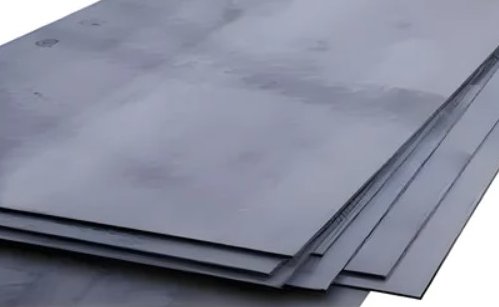
Metal sheets are among the most versatile and widely used products in the steel industry, serving as the backbone for construction, manufacturing, and industrial applications. Understanding their types, properties, and applications is essential for anyone involved in the steel supply chain.
What Is a Metal Sheet?
A metal sheet is a flat, thin piece of steel that can be produced in various thicknesses, widths, and lengths. Sheets are typically classified by their gauge (thickness), with thinner sheets often referred to as "sheet metal" and thicker variants called "plates." Steel sheets are valued for their strength, durability, and adaptability, making them suitable for both structural and decorative purposes.
Types of Steel Sheets
Steel sheets are categorized based on their manufacturing processes and surface finishes:
-
Hot-Rolled Steel Sheets: Produced by rolling steel at high temperatures, these sheets are easier to form and cut. They often have a rough surface and are commonly used in construction, pipelines, and automotive frames.
-
Cold-Rolled Steel Sheets: These sheets are rolled at room temperature, giving them a smoother finish and more precise dimensions. Cold-rolled steel is ideal for applications requiring high-quality surface finishes, such as appliances, furniture, and automotive panels.
-
Galvanized Steel Sheets: Coated with a layer of zinc, these sheets are highly resistant to corrosion. They are commonly used in roofing, HVAC systems, and outdoor structures.
-
Stainless Steel Sheets: Known for their resistance to rust and chemical corrosion, stainless steel sheets are widely used in kitchens, medical equipment, and chemical processing plants.
Key Properties of Steel Sheets
The performance of a steel sheet depends on several factors:
-
Strength: Steel sheets provide excellent tensile and yield strength, allowing them to withstand heavy loads and stress.
-
Ductility: Sheets can be bent, cut, and formed without cracking, making them versatile for various manufacturing processes.
-
Corrosion Resistance: Certain coatings or alloys enhance resistance to rust, extending the lifespan of the product.
-
Surface Finish: Depending on the application, steel sheets may require a smooth, polished, or textured finish for aesthetic or functional purposes.
Applications in the Steel Industry
Metal sheets are integral to many sectors:
-
Construction: Roofing, wall panels, bridges, and structural components.
-
Automotive: Body panels, chassis parts, and interior components.
-
Manufacturing: Machinery, appliances, furniture, and industrial equipment.
-
Energy & Infrastructure: Pipelines, storage tanks, and electrical enclosures.
Choosing the Right Steel Sheet
Selecting the appropriate metal sheet depends on:
-
Application Requirements: Consider load-bearing capacity, corrosion resistance, and aesthetic needs.
-
Thickness and Gauge: Ensure the sheet's thickness matches the structural and manufacturing requirements.
-
Surface Treatment: Galvanized or coated sheets are preferable in outdoor or corrosive environments.
-
Cost & Availability: Balancing quality and budget is crucial for large-scale projects.
Contact a member of the ECONSTEEL sales team today to see available options for your metal sheet needs!
Conclusion
Metal sheets remain a cornerstone of the steel industry due to their strength, adaptability, and broad range of applications. By understanding the types, properties, and uses of steel sheets, businesses and engineers can make informed decisions, ensuring the right material is used for every project.